


The Book of Mormon
4.61.62K Reviews
App Specs
- Version
- 4.13.0 (48819.3205195)
- Updated On
- License
- Free
- Downloads
- 1,000,000+
- Developer
- The Church of Jesus Christ of Latter-day Saints
- Categories
- Books & Reference
- Platform
- Android, iOS
Screenshots
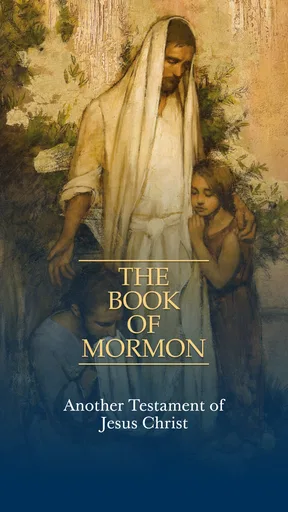
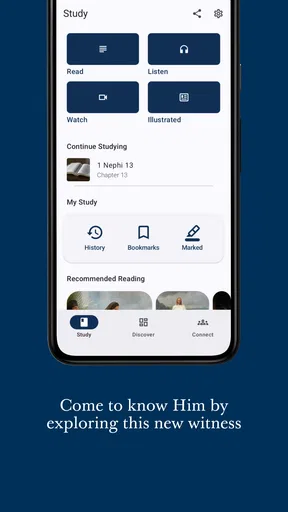
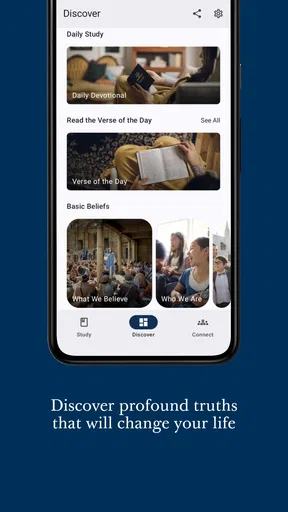
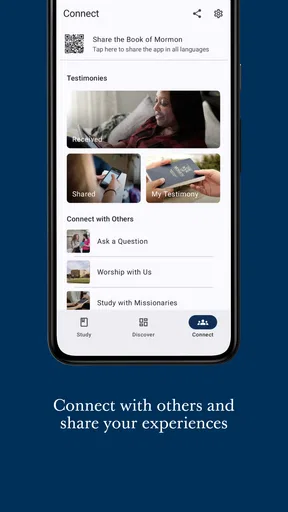
 Analysis by AppCompare
I spent time with The Book of Mormon as a reading and reference app, and my first impression is simple: it is a focused digital way to read the Book of Mormon rather than a broad religious library or a general-purpose ebook reader. That focus is its main strength. If you already want this particular scripture in a convenient mobile format, the app removes the need to carry a printed copy and makes short reading sessions much easier to fit into an ordinary day.
The app belongs to the Books & Reference category and is developed by The Church of Jesus Christ of Latter-day Saints. It is free, aimed at Everyone, and has reached over a million installs. Those details make its purpose clear: this is an accessible reading tool for people who want direct access to the text, whether they are already familiar with it, exploring it for the first time, or using it as part of a regular personal study routine.
What the app gives you for free
The most important cost detail is also the easiest one: there is no purchase price to access the app. That matters because a reader can try it without committing money to a digital edition, a subscription, or a separate ebook purchase. For someone deciding whether a mobile scripture reader fits their habits, free access makes experimentation straightforward.
Free does not automatically mean useful, of course. A reading app earns its place on my phone by making the text easier to return to than a browser page or a document file. In this case, the value comes from having a dedicated home for the Book of Mormon instead of searching for it repeatedly, opening unrelated pages, or switching between a physical copy and a phone whenever I want to read a passage.
The app has an average rating of 4.6 from around 12 thousand ratings, with roughly 1.6 thousand written reviews. I would not treat those figures as proof that it will suit everyone, but they do suggest that many readers find the basic experience dependable enough to keep using. The current release is version 4.13.0 (48819.3205195), and it supports devices running Android 8.0 or later.
That operating-system requirement is worth checking before installing. It is not a concern for many reasonably recent Android phones, but owners of older devices should confirm compatibility first. The app is also described as a mobile reading resource, so I would not approach it expecting the wider tools of a full study suite, a general ebook platform, or a multi-book religious library.
A focused reading experience instead of a general ebook shelf
What I like most is the narrow purpose. When I open it, the intention is obvious: read the Book of Mormon. That can be more useful than a crowded app containing many unrelated books, news feeds, recommendations, and account prompts. A focused app reduces the small decisions that often stop a reading habit before it begins.
Worth Reading Before You Choose

EA SPORTS FC Mobile 26 Is a Bigger Football Game, but It Takes Time

Flipboard Shows What News Apps Must Do Beyond the Feed

Switching to Android Auto Means Rethinking Your Driving Routine

Google Calendar Makes a Crowded Week Easier to Manage

Ludo King Makes the Most of the Minutes Between Plans

Baby Panda World Brings Quick Play to Modern Phones, but Its Game Library Feels Busy
There is also a practical difference between reading through a mobile app and relying on a scanned document or a web page. A dedicated app feels better suited to repeated visits. I can use it for a few minutes while waiting somewhere, continue a longer session at home, or keep it available for a passage I want to revisit without treating every reading session like a search task.
For a first-time reader, that simplicity can be reassuring. The Book of Mormon is substantial, and a newcomer may not know where to begin or how to organize a reading routine. The app does not need to compete with every reference tool to be helpful; its core role is to make the text present and approachable on a phone.
How I would use it in everyday life
A realistic example is a short morning routine. I might read a small section with coffee, close the app, and return later during a commute or lunch break. The benefit is not that the phone magically improves concentration. In fact, phones can be distracting. The benefit is that the reading material is already in the same device I carry, so the barrier between deciding to read and actually starting is low.
Another useful situation is attending a discussion or lesson where someone refers to a passage unexpectedly. A dedicated scripture app is quicker than trying to locate a physical copy in a bag or searching the wider internet. I can move from a general reading habit to a specific reference without changing platforms.
I also see value for someone who travels frequently or moves between home, work, and community activities. A printed book remains valuable, especially for readers who prefer paper, but a phone-based copy is convenient when space is limited. The trade-off is that the same device used for reading may also contain notifications and other interruptions.
Small workflow choices that improve the experience
My first practical tip is to treat the app as a reading destination, not as something to open casually whenever there is a spare second. A quiet phone setting, a consistent time, and a modest reading goal can make the experience more meaningful than repeatedly opening it while distracted. This is especially important with a text that many people approach for reflection rather than quick information.
A second tip is to use the app alongside, rather than automatically instead of, a physical copy. The digital version is convenient for travel, quick references, and spontaneous reading. A printed edition may be better for extended study, handwritten notes, or readers who find screen reading tiring. I would not force one format to handle every purpose.
A third insight is that a focused scripture app can work well as a companion during group reading, but it should not be mistaken for a complete research environment. If I need extensive cross-referencing, academic commentary, or a large collection of unrelated reference works, I would choose a broader resource as well. The app’s strength is direct access to this text, not an attempt to replace every study method.
For readers who are sensitive to screen fatigue, the best use may be short sessions rather than long chapters at once. I found the mobile format most convincing when it supported a habit of returning regularly. Someone who wants to read for hours may prefer print or a larger screen, while someone who wants a convenient copy close at hand gets a clearer advantage from the phone.
Where the value is strongest
The strongest value is convenience without financial commitment. A person can keep the text available for occasional consultation, begin a structured reading plan informally, or decide after several sessions whether digital reading feels natural. Since the app is free, that decision is based mainly on reading preference and usefulness rather than on whether the purchase was worth it.
It is also valuable for families and groups with different schedules. One person may read early, another later, and another only when a passage comes up in conversation. A mobile copy gives each reader a practical way to access the same work without requiring everyone to carry a book at all times.
For members of The Church of Jesus Christ of Latter-day Saints, the app is likely to feel especially relevant because the developer is the church itself and the content is the Book of Mormon. That direct connection may make it a natural choice for personal devotion, study, or discussion preparation. Readers outside that community can still use it as a digital edition, but their expectations may be different.
The Everyone content rating also makes the app broadly approachable from an age-classification perspective. That does not tell me how every family will choose to discuss the text, but it does make the app less intimidating as a general reading resource. Parents and educators should still decide how it fits their own setting and the reader’s maturity.
Trade-offs I noticed before recommending it
The biggest limitation is the same thing that makes the app clear: it is specialized. If I want novels, dictionaries, study notes, or several religious texts in one place, this is not the most efficient choice. A general ebook app or a broader scripture platform may offer more variety, even if that variety makes the interface less focused.
There is also a difference between access and depth. Having the text on a phone is not the same as having every tool a serious researcher might want. Readers who depend on extensive annotations, scholarly background, parallel editions, or advanced search should compare this focused app with a more comprehensive study solution before making it their only resource.
Digital convenience can create its own friction. Reading on a small screen may be less comfortable than reading on paper, and a phone can pull attention toward messages or other apps. I would recommend it confidently for short, flexible sessions, but more cautiously for someone who already knows they dislike long-form reading on a mobile device.
The app is also not automatically the right answer for someone who wants a neutral, multi-source reference experience. Because it comes from The Church of Jesus Christ of Latter-day Saints and centers on the Book of Mormon, it has a clear religious and editorial identity. That is an advantage for readers seeking this specific work, but a reader looking for comparative religious study may be better served by a library or reference app with multiple perspectives.
Who should install it
I would recommend it to someone who wants the Book of Mormon available on an Android phone without paying for a digital copy. It is a particularly sensible choice for regular readers who value convenience, travelers who do not want to carry a physical volume everywhere, and newcomers who want to try a mobile reading routine before buying or borrowing another format.
It also suits people who often need to locate a passage during a group conversation, lesson, or personal study session. The app’s focused purpose means I am less likely to lose time browsing through unrelated content. For that kind of quick access, a dedicated reader can be more practical than a general ebook shelf.
I would be more hesitant to recommend it as a sole solution to a researcher, a reader who requires a large annotation system, or someone who wants many books and reference sources in one interface. Those users may gain more from a broader study platform, while keeping this app as a simple way to read the primary text.
It may also be a poor fit for someone who strongly prefers paper or experiences eye strain from phone reading. Free access cannot solve a format preference. In that case, a printed edition is probably the better everyday choice, with the app reserved for travel or quick lookups.
My final recommendation
The Book of Mormon delivers clear value because it provides free, focused access to a specific religious text in a format that is easy to carry and revisit. I appreciate that its usefulness does not depend on buying extra content. The decision is really about whether a dedicated mobile edition matches the way you read and study.
My recommendation is positive for the intended audience, with realistic expectations. Install it if you want a convenient digital copy, brief reading sessions, or a quick way to find passages while away from home. Keep a physical book or a broader reference tool nearby if your reading involves extended note-taking, comparative research, or a large collection of sources.
For me, the app succeeds by staying focused rather than trying to become everything at once. Its free price removes the main financial barrier, its established presence makes it an easy option to consider, and its limitations are understandable for a specialized reader. If the Book of Mormon is the text you want and your device meets the Android 8.0 requirement, I think it is worth trying before choosing a more complicated alternative.
Pros
- Official text is available for free without a subscription.
- Search tools make it easy to find chapters
- verses
- and topics.
- Offline access lets you read without mobile data or Wi-Fi.
- Audio playback supports listening while commuting or multitasking.
- Bookmarks and notes help organize passages for personal study.
Cons
- Some features may require creating or signing into an account.
- The app’s religious focus may not suit users seeking secular reading.
- Audio downloads can use considerable storage space on your device.
- Older devices may experience slower loading or occasional glitches.
- Reading and study tools can feel overwhelming for first-time users.
FAQs for The Book of Mormon
What is The Book of Mormon app?
The Book of Mormon app is a digital reading and study resource focused on the Book of Mormon: Another Testament of Jesus Christ. Depending on the version you download, it may provide the complete scripture text, navigation by book and chapter, search tools, audio playback, bookmarking, highlighting, notes, and sharing options. It is designed for personal study, religious education, and convenient reading on Android or iOS devices.
Is The Book of Mormon app free to download and use?
Most official Book of Mormon apps are available to download and use without a purchase fee, although availability and included features can vary by platform and publisher. Some versions may require an internet connection for initial downloads, updates, or audio content. Before installing, check the app-store listing carefully for in-app purchases, advertising, account requirements, supported languages, and whether all scripture and study features are included at no cost.
Does the app include audio and offline reading?
Many official scripture applications include audio recordings and allow users to download content for offline use, which is useful while traveling or studying without reliable mobile data. However, offline availability can depend on the specific app version, language, and device storage. It is recommended to open the download settings after installation and confirm that the desired books, chapters, or audio files have been saved successfully.
Can I search, highlight, bookmark, or add notes in The Book of Mormon app?
The Book of Mormon app experience commonly includes study tools such as keyword search, bookmarks, highlights, and personal notes, making it easier to return to meaningful passages or organize a reading plan. Some features may require signing in with an account, while others work locally on the device. If you change phones or reinstall the app, verify whether your notes and highlights are synchronized or backed up.
Is The Book of Mormon app suitable for beginners and non-members?
Yes. The app can be useful for both people familiar with Latter-day Saint scripture and readers approaching The Book of Mormon for the first time. Clear chapter navigation, search functions, audio narration, and optional study materials can make the text easier to explore at your own pace. Readers should remember that it is a religious text, so interpretations and supporting resources reflect its faith-based purpose rather than a secular reference format.


